Fiio Warmer Valve/Tube R2R DAC Review

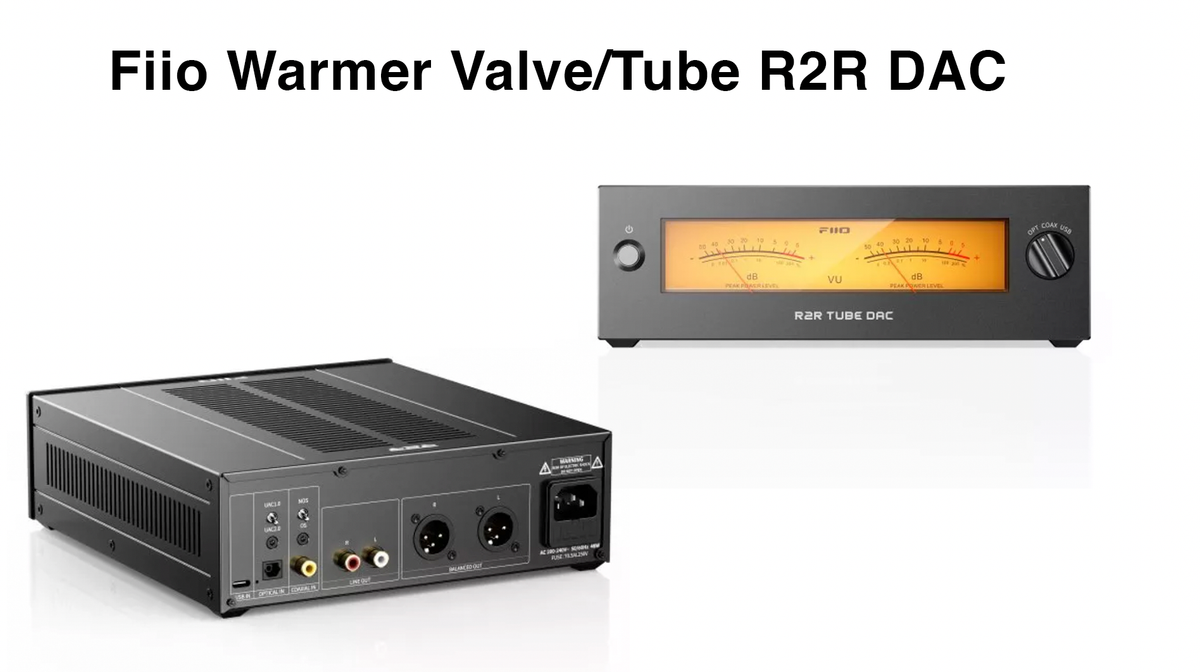
A compact R2R DAC, complete with valves/tubes, that brings analog warmth and musicality to modern digital systems without the usual size or price penalties.
If you have been following Fiio's evolution from portable audio specialists to serious desktop components, the Fiio Warmer R2R DAC represents the brand's most confident statement yet in the discrete resistor ladder space.
This is not just another chip-based DAC with some tube coloration thrown in. It is a properly implemented R2R converter that combines genuine analog character, comprehensive connectivity, and the sort of build and sound quality that make it a legitimate alternative to far more expensive discrete ladder designs.
At around £300, it sits in territory where expectations shift from "does it measure well" to "does it genuinely make my music more enjoyable." The answer, for most systems and listeners, is yes.
This review breaks down what the Warmer actually is, how it is built, how it sounds, what makes it different from traditional Delta-Sigma DAC implementations, and who it makes the most sense for.
Quick take
The Warmer is for you if you want natural, analog-like sound quality from digital files, value musicality over clinical accuracy, appreciate vintage-inspired aesthetics, and want to experience R2R technology and maybe even valve/tube rolling, without spending thousands on more exotic brands like Holo Audio, Musician Audio, or Denafrips.
It is not for you if you demand the absolute lowest measurable distortion figures, want Bluetooth connectivity, want pure DSD conversion, or prefer the ultra-clean, hyper-detailed, neutral presentation of modern ESS, AKM, Cirrus Logic, or similar chip-based DACs.
What the Fiio Warmer actually is..
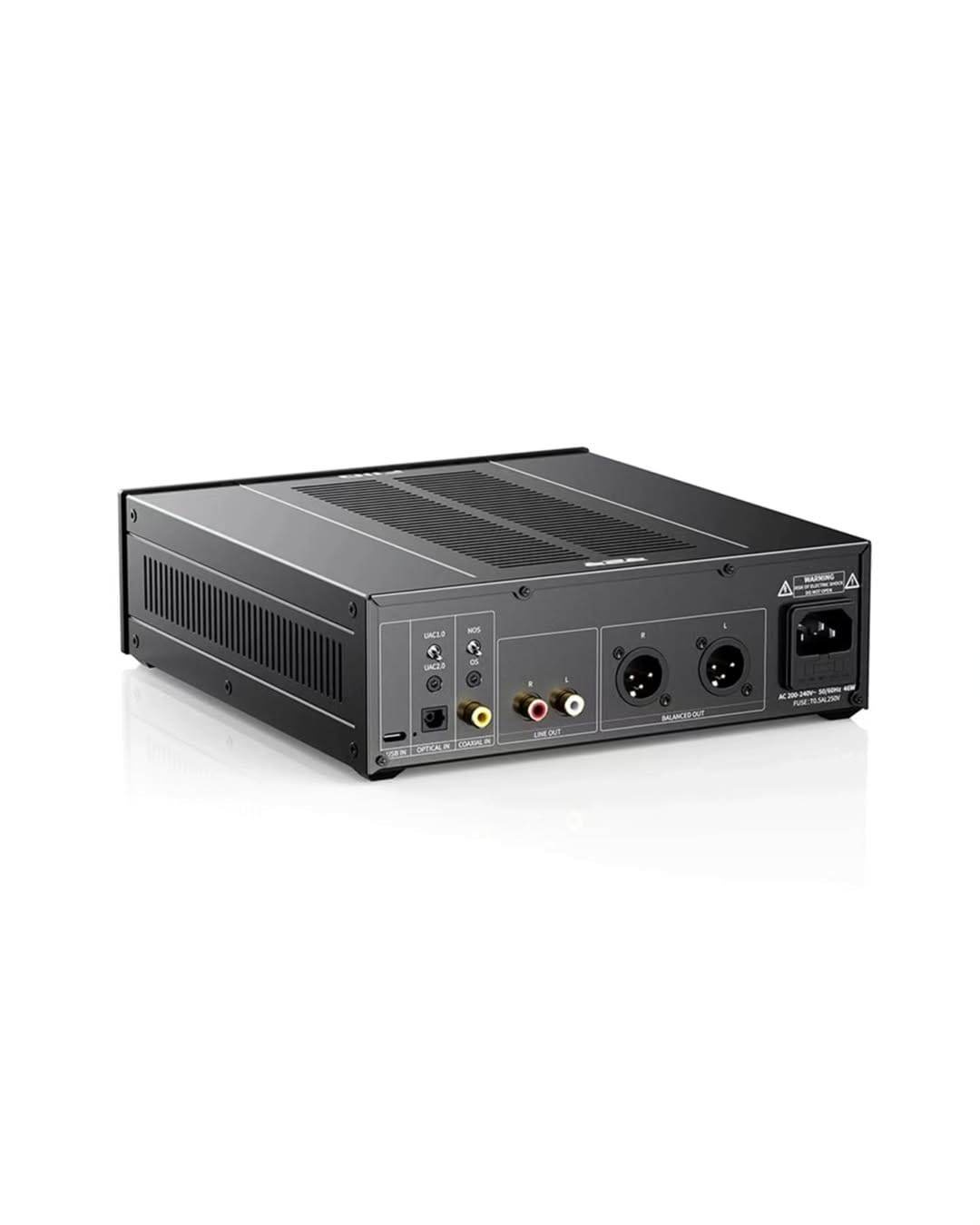
The Fiio Warmer is a desktop R2R DAC. In practical terms: it converts digital audio from USB, coaxial, or optical sources into analog using discrete resistor ladder networks rather than off-the-shelf DAC chips, then feeds your amplifier or active speakers.
It is also Fiio's answer to the question of whether proper R2R sound quality can be delivered at accessible pricing. Where brands like Audio-GD, Denafrips and Musician Audio start well above £1000, the Warmer brings the core sonic character of resistor ladder conversion to a much wider audience.The Fiio Warmer takes both PCM and DSD files, but converts all DSD to PCM, regardless of input and regardless of whether the DAC is set on NOS (No Oversampling) or OS (Oversampling).
R2R DAC architecture and design
Discrete resistor ladder networks with vacuum tube output stage
Unlike conventional DACs that use integrated circuits from ESS, AKM, or Cirrus Logic, the Warmer employs discrete resistor ladder networks to convert digital signals to analog. This means each bit of the digital word is converted using individual precision resistors arranged in a carefully calculated network.
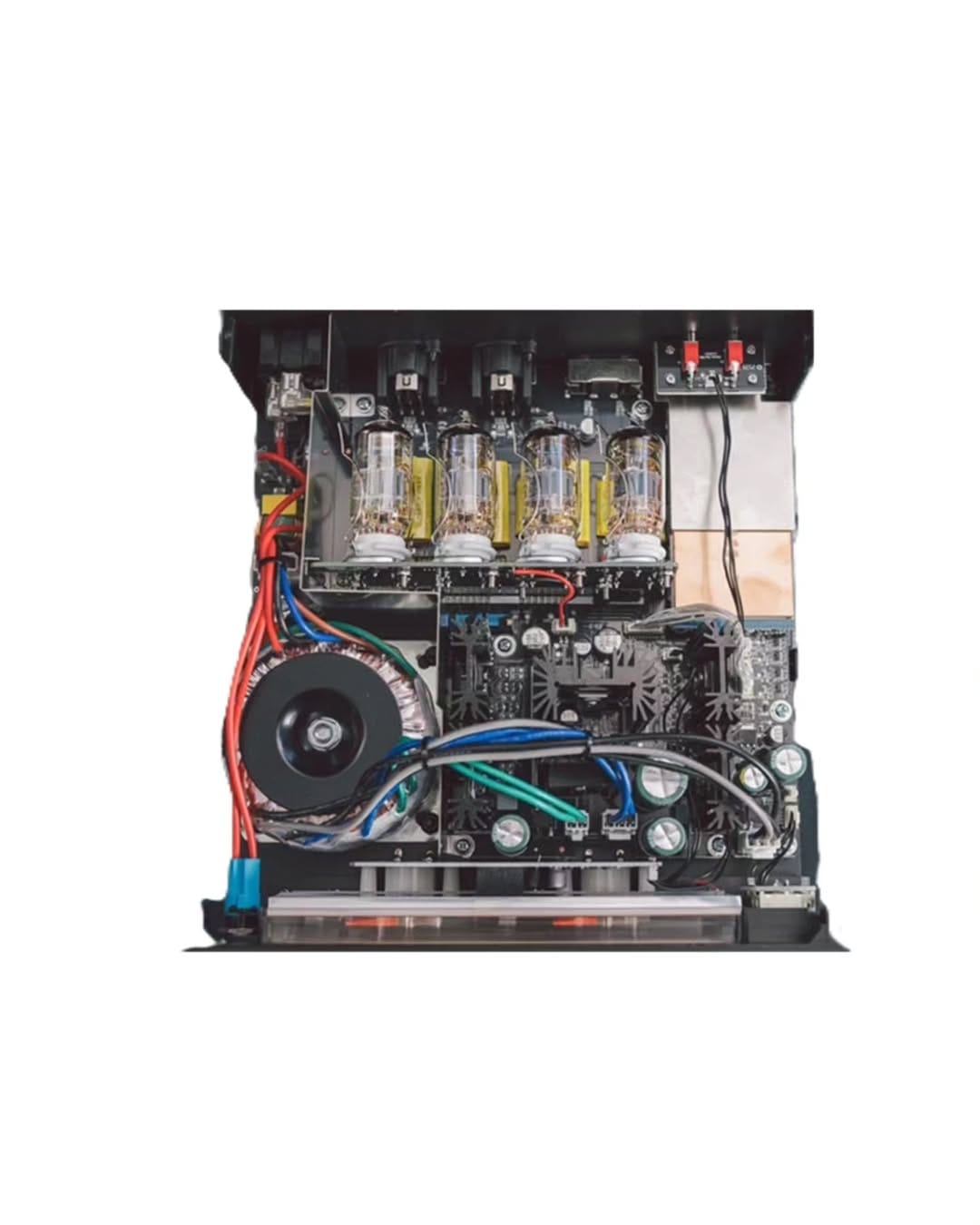
What makes the Warmer genuinely unique is its hybrid approach: the R2R conversion is followed by a vacuum tube output stage using four JJ Electronic E88CC tubes. This combination is exceptionally rare at any price point, merging the linearity and natural timbre of resistor ladder conversion with the harmonic richness and dimensional qualities that only valves/tubes can provide.
The result is a fundamentally different and unique conversion topology that avoids the digital filtering artifacts and noise shaping of Delta-Sigma designs while adding the organic warmth and spatial depth of valve amplification. The sound is more linear, more natural in timbre, and unmistakably analog-like in presentation.
Tube rolling for sonic customization
The valves/tubes can be replaced with compatible alternatives, allowing owners to fine-tune the sonic character to their preferences. This is proper tube rolling in the classic hi-fi tradition: different tube brands and vintage will alter the warmth, midrange presence, soundstage depth, and overall tonal balance.
This level of sonic customization is virtually unheard of in modern DACs at this price point, giving the Fiio Warmer DAC a genuine long-term appeal as your preferences or system evolves.
NOS/Oversampling switch for digital filter selection
The Warmer also includes a physical switch on the front panel that toggles between Non-Oversampling (NOS) and Oversampling (OS) modes. This is a significant feature that allows you to choose between two fundamentally different approaches to digital-to-analog conversion.
In NOS mode, the DAC converts the digital signal directly without upsampling or digital filtering, resulting in a more immediate, organic presentation with exceptional timing coherence. This mode often sounds more analog-like and is preferred for jazz, acoustic music, and vocal recordings.
In OS mode, the DAC upsamples and applies digital filtering for improved technical performance with lower noise floor and better high-frequency response. This mode typically delivers more extended treble, tighter bass, and greater detail retrieval, suiting complex orchestral works and modern electronic music.
The ability to switch between these modes on the fly means the Warmer can be optimised for different recordings, genres, and personal preferences, adding another layer of versatility to an already flexible design.
Dual mono architecture
The Warmer uses separate resistor ladder networks for left and right channels, ensuring complete channel separation and eliminating crosstalk between channels. This dual mono implementation is critical to the design and contributes to the precise imaging and three-dimensional soundstage the unit delivers.
Basic linear power supply
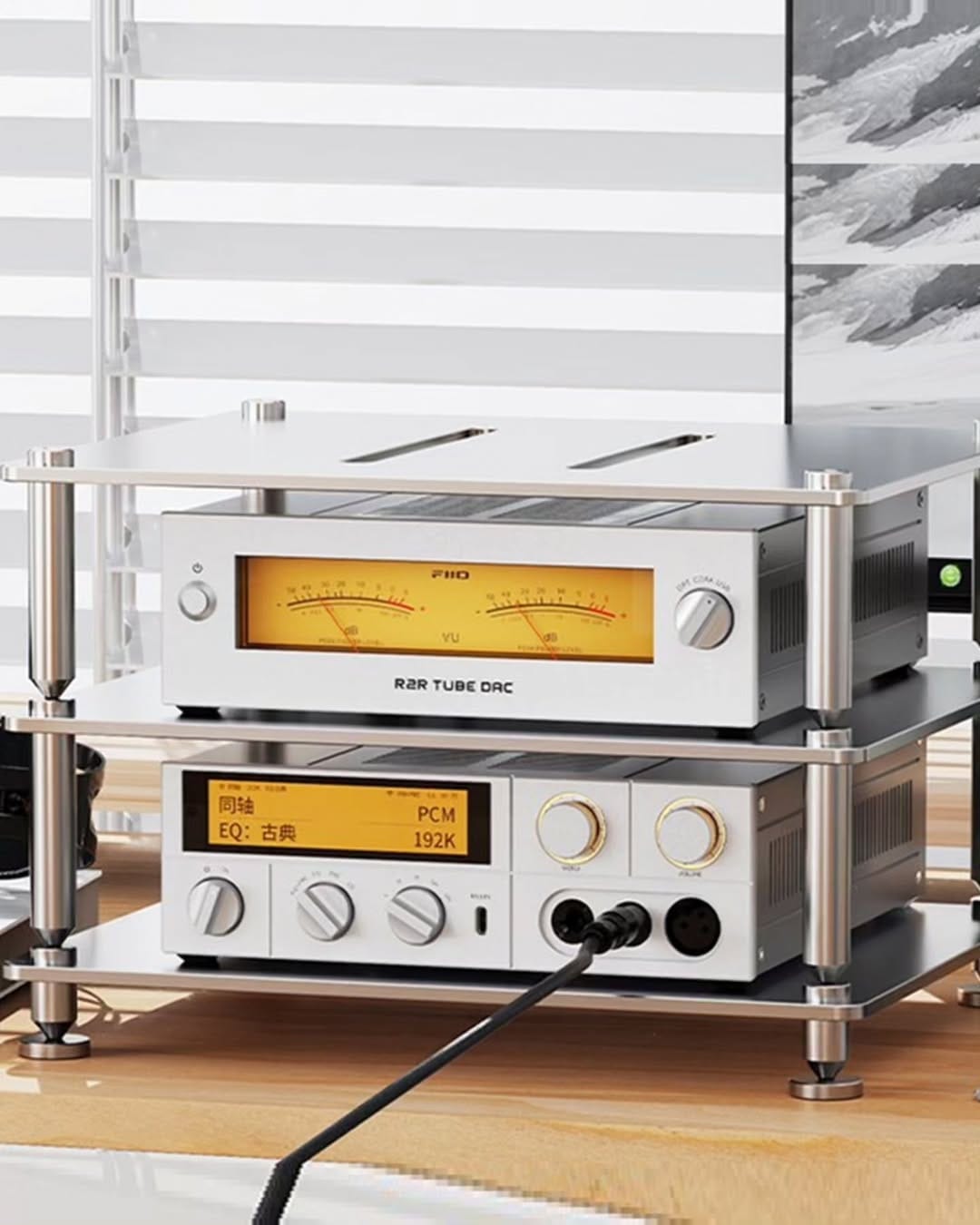
The Warmer uses a simple, built in linear power supply, via its IEC power socket, rather than a switched-mode power supply design. This provides clean, stable power to the sensitive analog stages without the high-frequency noise that can plague switch-mode supplies. The trade-off is slightly larger size and heat generation, meaning the top of the DAC must be kept physically uncovered, as the unit does get physically warm or hot, but for sound quality, it is the right choice at this price point.
Build quality and design
Aluminium chassis with vintage-inspired aesthetics
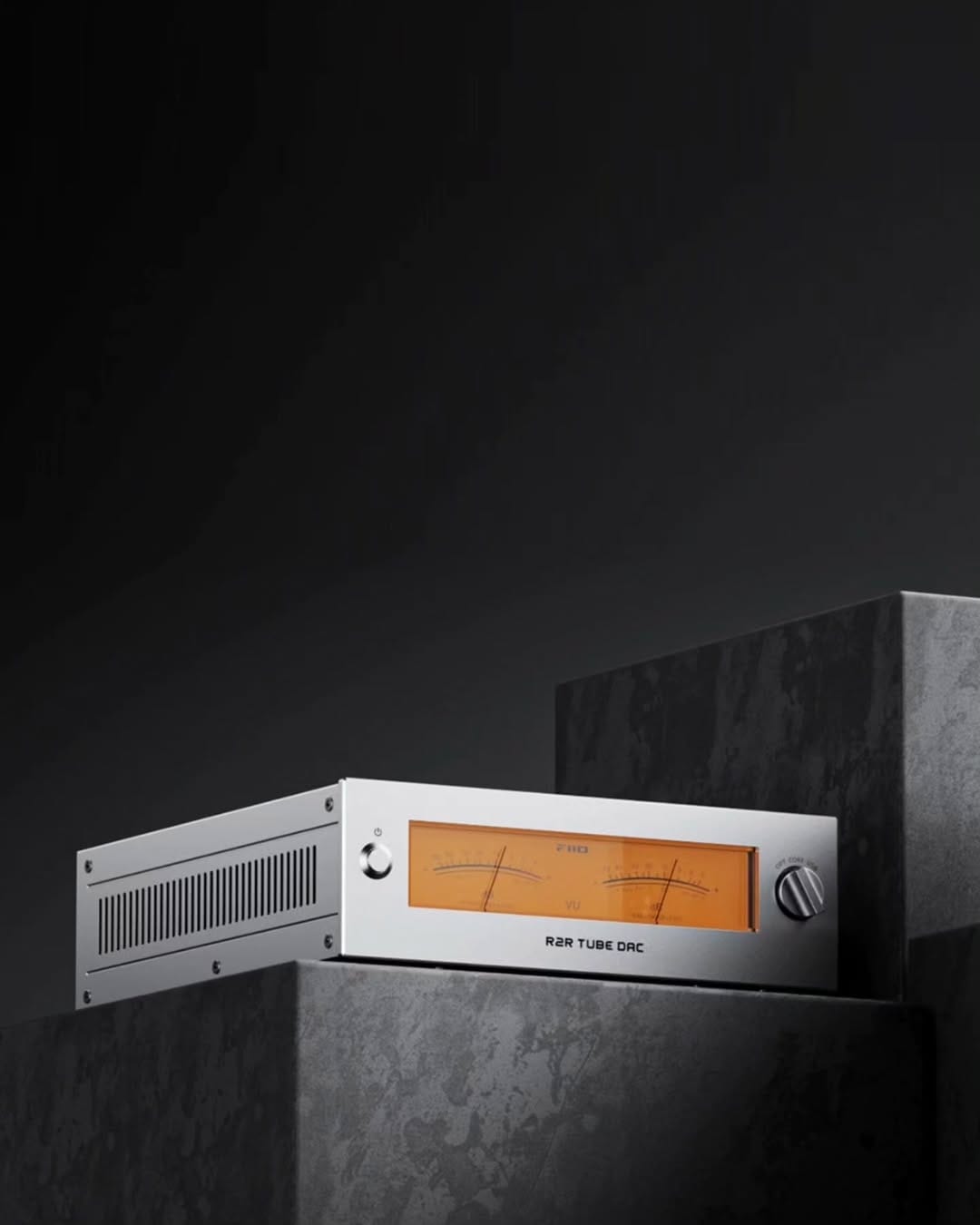
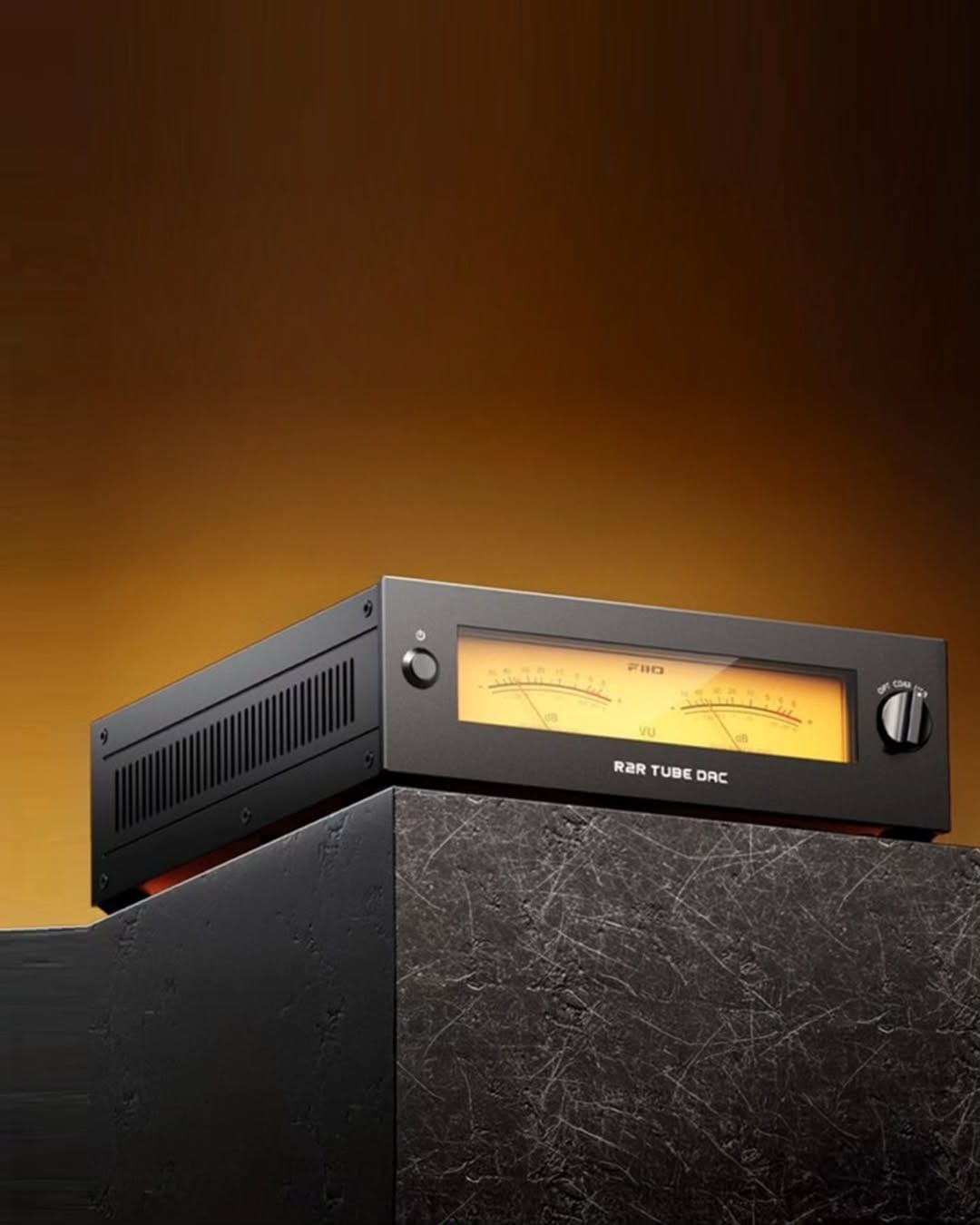
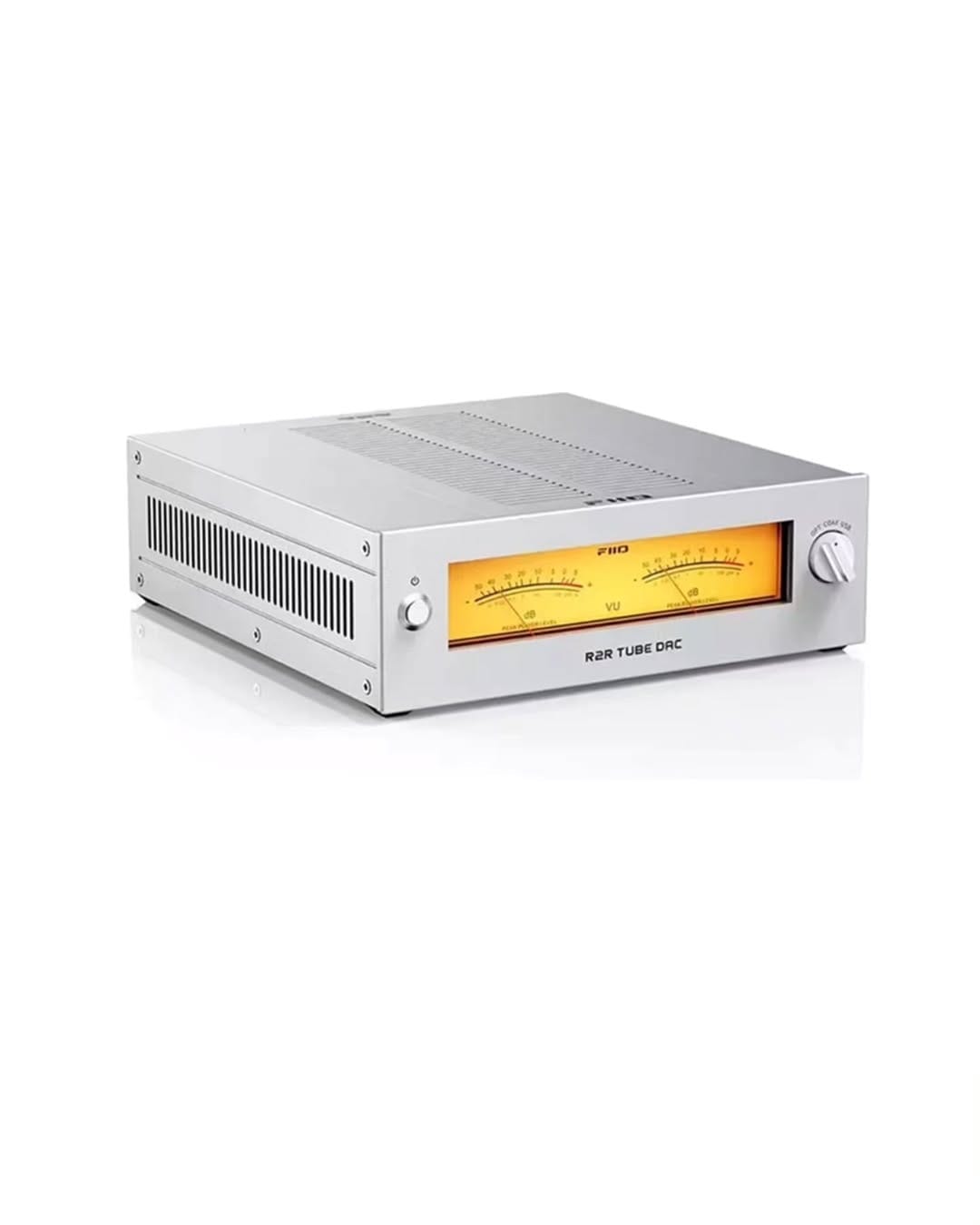
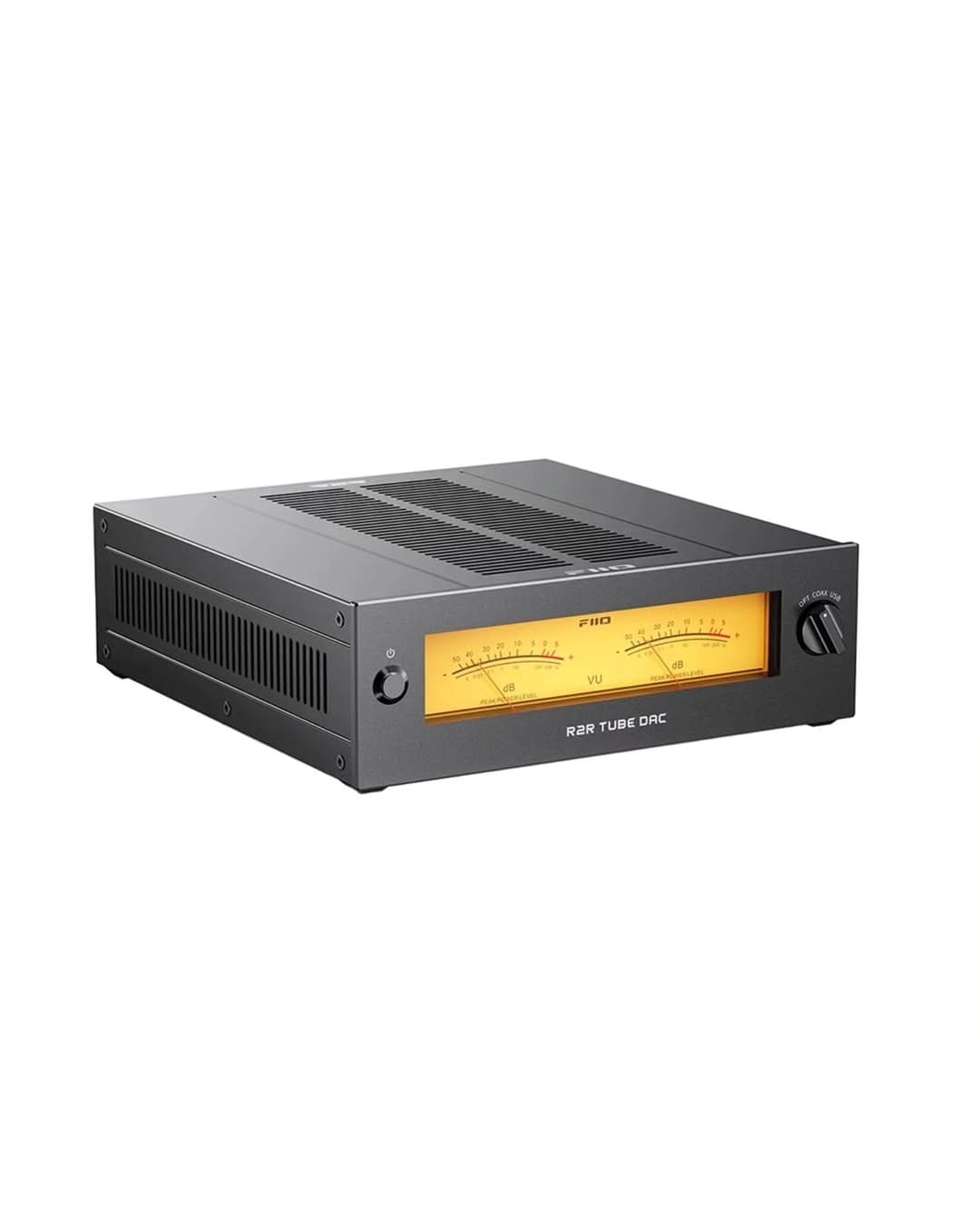
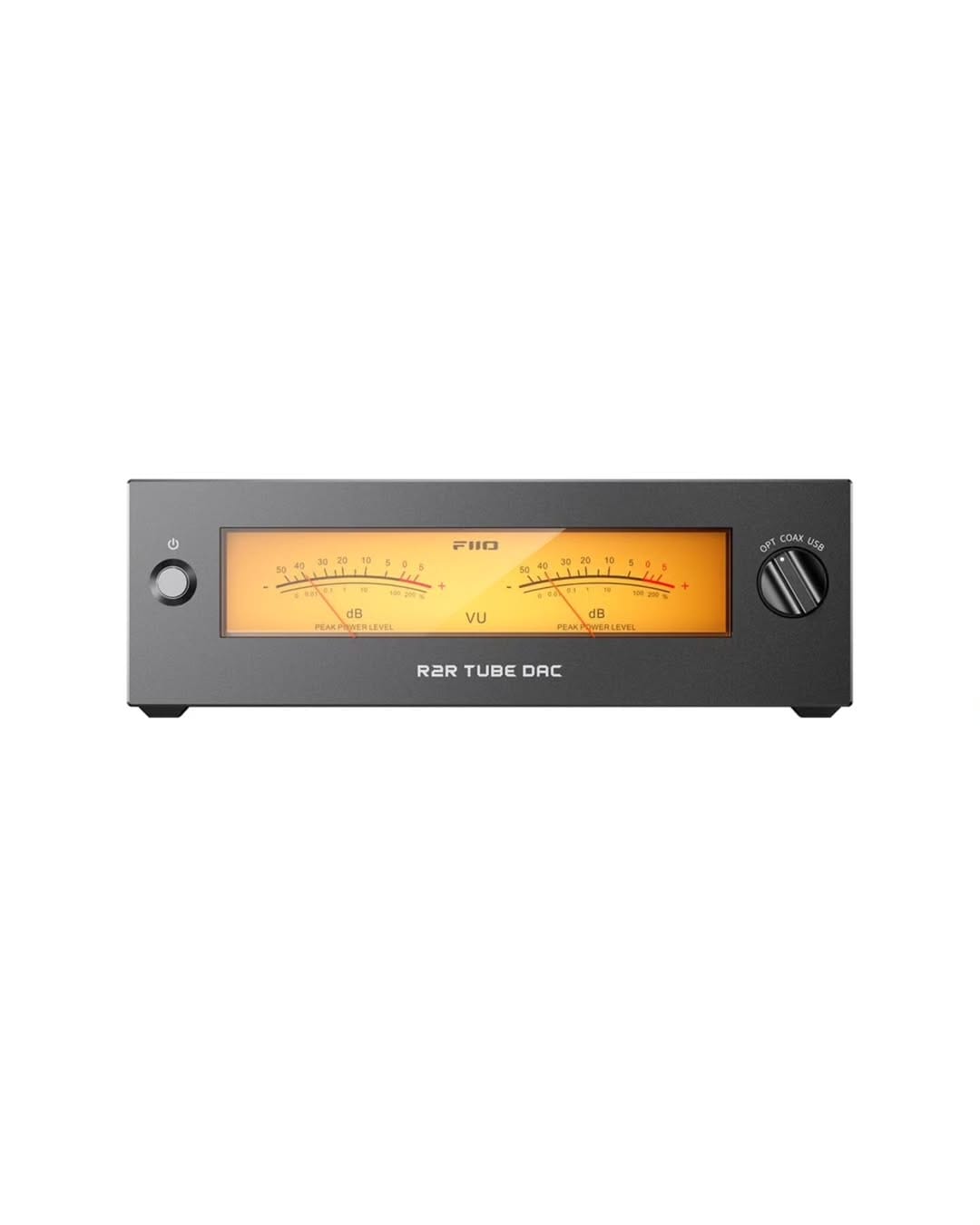
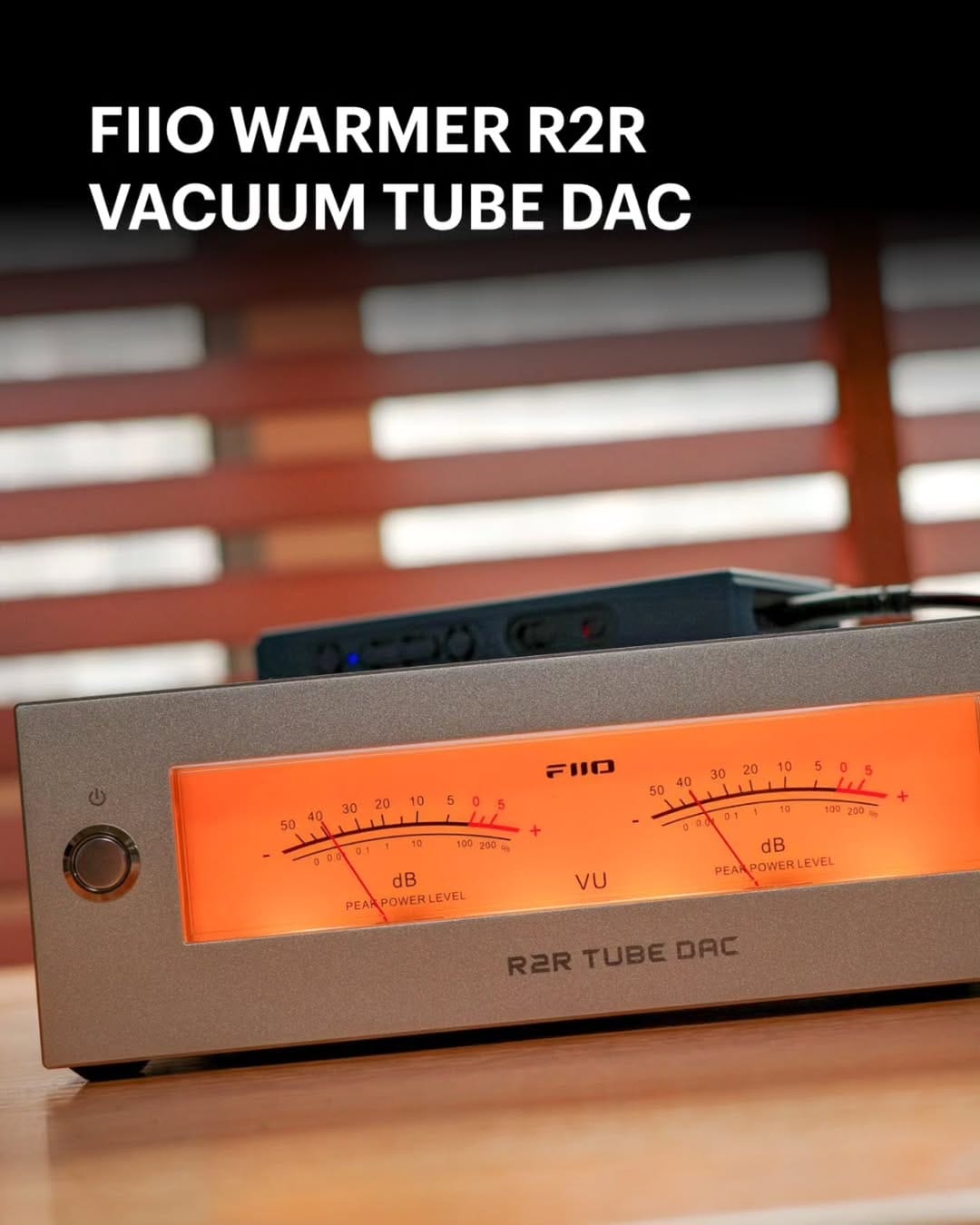
The Warmer features a full aluminium enclosure with rounded edges and a retro-inspired front panel that recalls classic hi-fi from the 1970s. It feels substantially built, dissipates heat effectively, and looks like a considered piece of audio equipment rather than computer peripheral.
VU meters and display
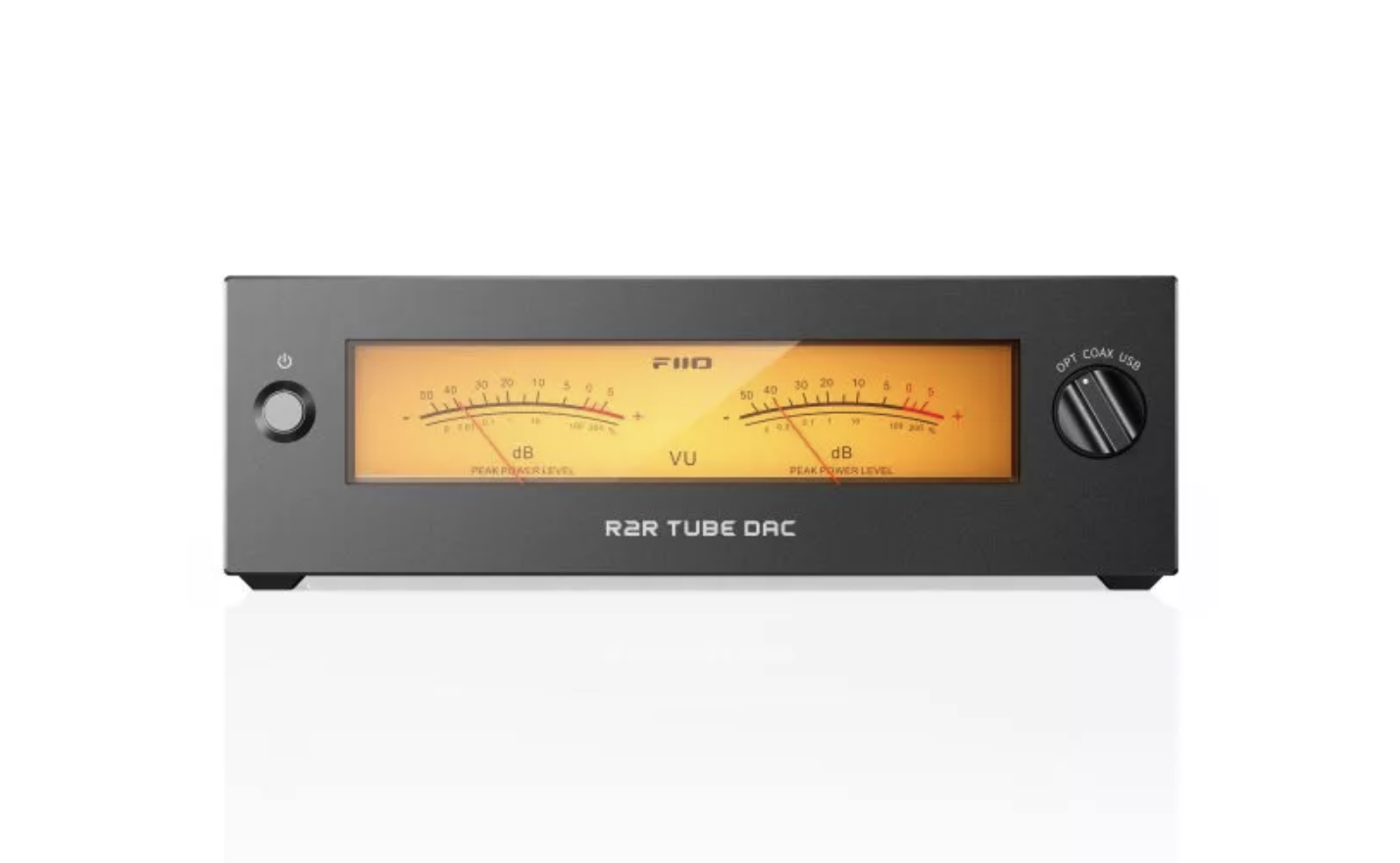
The front panel includes dual VU meters that dance with the music, providing visual feedback and adding to the vintage aesthetic. The meters are not just decorative, they genuinely enhance the listening experience by creating a visual connection to the music. Unfortunately the VU meters are quite bright and cannot be dimmed unless you buy dimming film separately and fit it over the meters.
Connectivity: focused on essentials
The Warmer is less comprehensive than all-in-one solutions like the Bluesound Node Icon, but it covers the core requirements for a desktop DAC.
Digital inputs
The Warmer accepts digital audio from three sources:
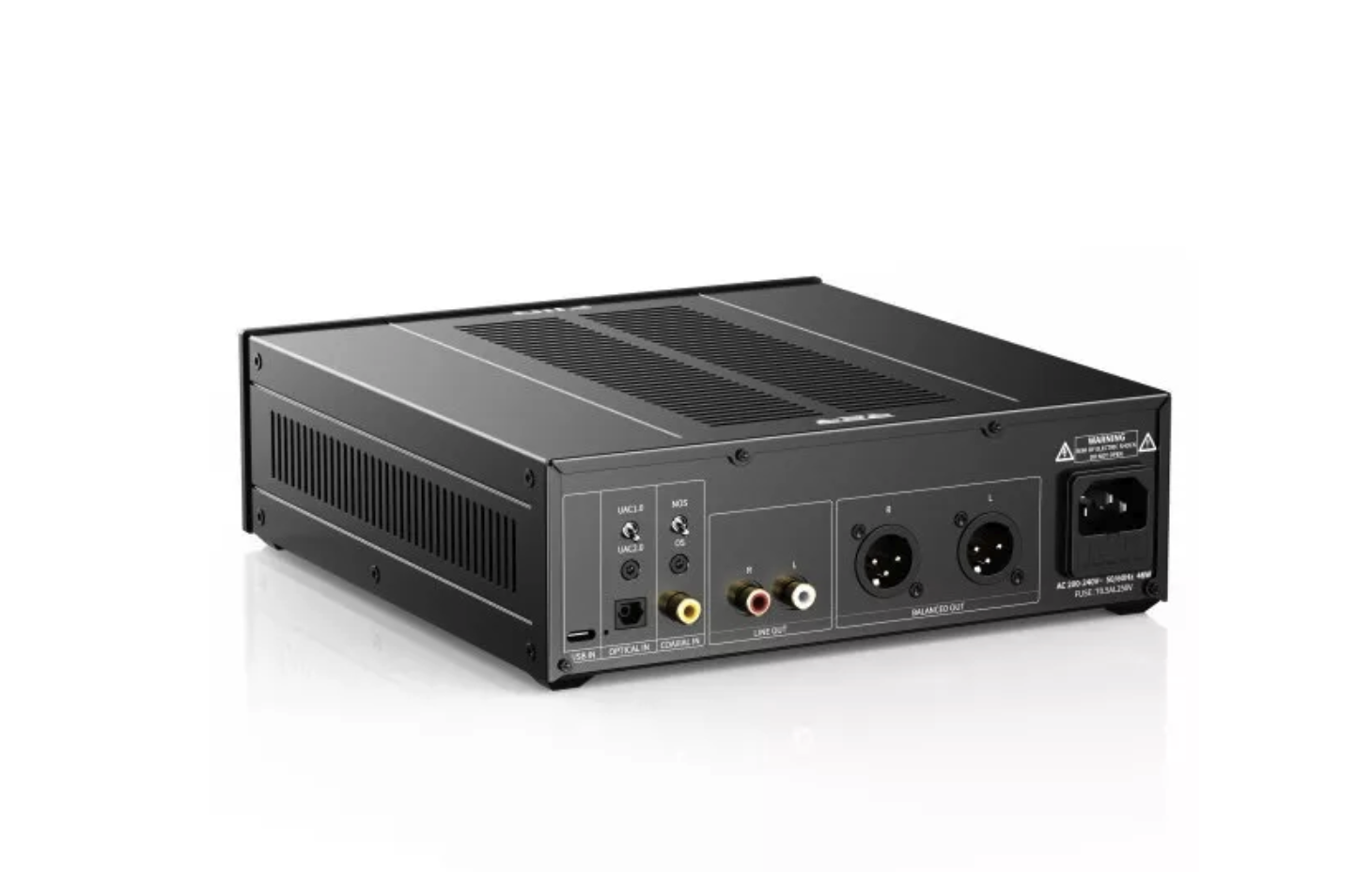
- USB Type-B
- Coaxial S/PDIF
- Optical TOSLINK
This covers the vast majority of real-world use cases, and is controlled via a vintage style input selector switch on the front of the unit, though the absence of HDMI eARC means it cannot serve as a TV audio upgrade.
Analog outputs
Both single-ended RCA and balanced XLR outputs are provided. The balanced outputs are particularly useful when feeding studio monitors, balanced headphone amplifiers, or longer cable runs to power amplifiers. Having both options at this price point is genuinely impressive and allows the Warmer to integrate seamlessly into a wide range of systems.
No Bluetooth or network streaming
The Warmer is a pure DAC. There is no Bluetooth, no network streaming, no Wi-Fi. This is deliberate, focusing design and budget entirely on sound quality rather than feature accumulation.
How it sounds
This is where the Warmer separates itself from competent but characterless chip-based DACs.
Natural timbre and tonal density
The Warmer sounds immediately more analog-like than typical Delta-Sigma implementations. The combination of R2R conversion and tube output stage creates a uniquely organic presentation where instruments have proper body and weight, voices sound convincingly human rather than digitally processed, and the overall character feels warm and dimensional.
The tubes contribute their characteristic harmonic richness without becoming overly coloured or syrupy. There is proper low-level detail retrieval, but it is presented in a musically coherent way rather than being artificially etched or highlighted.
Acoustic instruments in particular benefit from this hybrid approach. Pianos have proper weight in their lower registers with natural sustain and decay, guitars maintain their woody resonance and string texture, and horns sound brassy and present without becoming fatiguing or artificial.
Smooth, refined highs
High frequencies are extended and detailed but never harsh or brittle. The Warmer avoids the edginess that can plague budget chip-based DACs, presenting cymbals and strings with natural shimmer and decay. This makes it exceptionally tolerant of aggressive or poorly mastered recordings that can sound painful through more analytical converters.
Three-dimensional soundstage
The dual mono R2R architecture delivers excellent imaging and soundstage depth. Instruments occupy specific, stable positions in space, with convincing front-to-back layering that creates a sense of a real acoustic environment. The presentation is slightly more intimate than ultra-wide chip DACs, but the trade-off is greater coherence and realism.
Musicality over measurement
The Warmer prioritises musical engagement over textbook perfection. It does not measure as well as modern ESS or AKM implementations on conventional metrics like THD+N or dynamic range, but it sounds more musically convincing. The tube output stage adds a small amount of harmonic distortion, but this is the good kind of distortion that enhances rather than degrades the listening experience.
The balance is tilted toward warmth, dimensionality, and ease rather than clinical precision, which makes long listening sessions genuinely enjoyable rather than fatiguing. The ability to tube roll means you can adjust this balance to suit your preferences or system requirements.
Overall character
The presentation leans warm, smooth, and musical rather than hyper-detailed, neutral or analytical. This is not a DAC that will expose every microscopic detail in a recording or provide the last word in treble extension. It is a DAC that makes music sound like music, prioritising emotional connection over technical dissection.
Real-world use: what people actually experience
Owners consistently mention several recurring themes:
- The analog-like sound quality is immediately noticeable compared to chip-based DACs.
- The tube output stage adds genuine warmth and dimensionality without sounding overly coloured.
- Valve/Tube rolling opens up meaningful sonic customization possibilities.
- The NOS/OS switch provides genuinely useful sonic flexibility for different recordings.
- The mechanical VU meters are more than cosmetic, they genuinely enhance the listening and visual experience.
- The build quality feels premium and reassuring for the price.
- The lack of harshness makes it possible to listen for hours without fatigue.
The strongest praise tends to focus on how the Warmer makes digital files sound more like vinyl or tape, with natural timbre and musical flow that chip DACs often miss.
Video Reviews:
- Soundnews - https://www.youtube.com/watch?v=fNz3vcsXjKE
- Matt Coykendall - https://www.youtube.com/watch?v=7QV93RM8Q2o
- ArmandsE - https://www.youtube.com/watch?v=lAgpRjo94fo
Comparisons: where the Fiio Warmer fits
Warmer vs Topping D90 or SMSL SU-9
Modern chip-based DACs from Topping and SMSL measure much better on paper, offering lower distortion and higher signal-to-noise ratios. The Warmer sounds more natural, more musical, and more forgiving of imperfect recordings. If you prioritise measurements and ultra-clean sound, the chip DACs win. If you prioritise musical engagement and analog-like timbre, the Warmer is the better choice.
Warmer vs Schiit Modi Multibit
Both use multi-bit conversion topologies, but the Modi uses a hybrid chip-based approach rather than pure discrete R2R. The Warmer offers better build quality, VU meters, and a more refined presentation. The Modi is smaller and cheaper. For serious desktop use, the Warmer justifies its higher price.
Warmer vs Denafrips Ares II or Musician Audio Pegasus
These are proper discrete R2R DACs from specialist brands, costing two to four times as much. They offer more sophisticated filtering options and incrementally better sound quality. The Warmer gets you 80% of the way there for a fraction of the price, and actually matches them on connectivity with both balanced and single-ended outputs. This makes it exceptional value for those who want R2R sound without the expense.
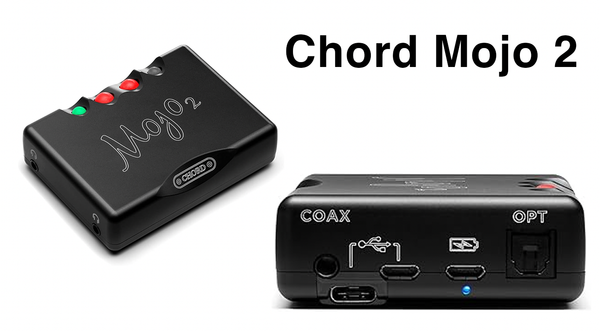
Warmer vs Chord Mojo 2
The Mojo 2 is a portable DAC/amp using Chord's proprietary FPGA-based conversion technology, priced similarly to the Warmer. The Mojo 2 offers superior portability, battery operation, and Chord's distinctive ultra-detailed, spacious presentation. The Warmer counters with desktop-focused ergonomics, VU meters, and the warmer, more analog-like character of discrete R2R conversion. If you need portability or prefer Chord's hyper-resolving sound signature, the Mojo 2 makes sense. If you want a dedicated desktop unit with natural timbre and vintage appeal, the Warmer is the better choice.
Who should buy the Fiio Warmer
It is a great fit if you want
- Natural, analog-like sound quality from digital sources
- The unique combination of R2R conversion and tube output stage
- Smooth, fatigue-free presentation for long listening sessions
- Valve/Tube rolling capability for sonic customization
- NOS/OS switch for tailoring sound to different recordings and preferences
- Both balanced XLR and single-ended RCA outputs
- R2R technology at an accessible price point
- Vintage-inspired aesthetics with functional VU meters - visual connection to music
- A DAC that prioritises musicality over technical perfection
- Visual Connection to music
It is not ideal if you need
- The absolute lowest measurable distortion
- Network streaming or Bluetooth connectivity
- A slick user interface with menu for settings and information about digital file
- A digital volume control/preamp
- HDMI eARC for TV audio integration
- Ultra-wide sound-staging, reference style audio accuracy and microscopic resolution and detail retrieval
- Coloured “warm” sound
- Unit requires “warm up” time to reach “thermal stabilisation” for optimum sound quality
Suggested system pairings
Nearfield monitor setup
Use the Warmer with quality bookshelf speakers or studio monitors in a desktop or small room environment. The natural timbre and three-dimensional imaging work beautifully in nearfield listening where you can appreciate the R2R character.
Upgrade to existing hifi system
Replace the DAC in an existing amplifier and speaker system where the sound feels overly analytical or fatiguing. The Warmer can transform a clinical-sounding system into something more musically engaging.
Vinyl lover's digital source
If you primarily listen to vinyl but need digital playback for convenience or access to streaming services, the Warmer provides the closest digital equivalent to the warm, organic sound of a good turntable setup.
Final verdict
The Fiio Warmer R2R DAC delivers on its promise to bring genuine R2R sound quality combined with vacuum tube warmth to a price point where most enthusiasts can actually afford it.
The combination of discrete resistor ladder networks, tube output stage with rolling capability, dual mono architecture, vintage-inspired build quality, and genuinely musical sound makes it a compelling choice for anyone who finds modern chip-based DACs too clinical or fatiguing.
At around £300, it competes directly with mid-tier chip DACs from Topping, SMSL, and Schiit Audio, but offers a fundamentally different sonic character that many listeners will strongly prefer. The valve/tube rolling capability adds genuine long-term value, allowing the DAC to evolve with your preferences. For those who want to explore R2R technology with the added warmth and dimensionality of valves, without the multi-thousand pound investment required for Denafrips, Musician Audio, or Holo Audio, the Warmer is an exceptional entry point.
If your goal is a warm, natural, musically engaging DAC that makes digital files sound more like analog sources, prioritises long-term listening enjoyment over technical perfection, and looks beautiful doing it, the Fiio Warmer is an exceptionally strong option.
Amazon (US) - https://amzn.to/4jSfvb0
Audio Affair (UK) - https://www.audioaffair.co.uk/fiio-warmer-r2r-tube-buffer-and-dac
Advanced mp3 Players (UK) - https://www.advancedmp3players.co.uk/fiio-warmer-desktop-r2r-tube-buffer-and-dac
Richer Sounds (UK) - https://www.richersounds.com/fiio-warmer-r2r-black/