Fosi Audio ZD3 Balanced Desktop DAC & Preamp Review

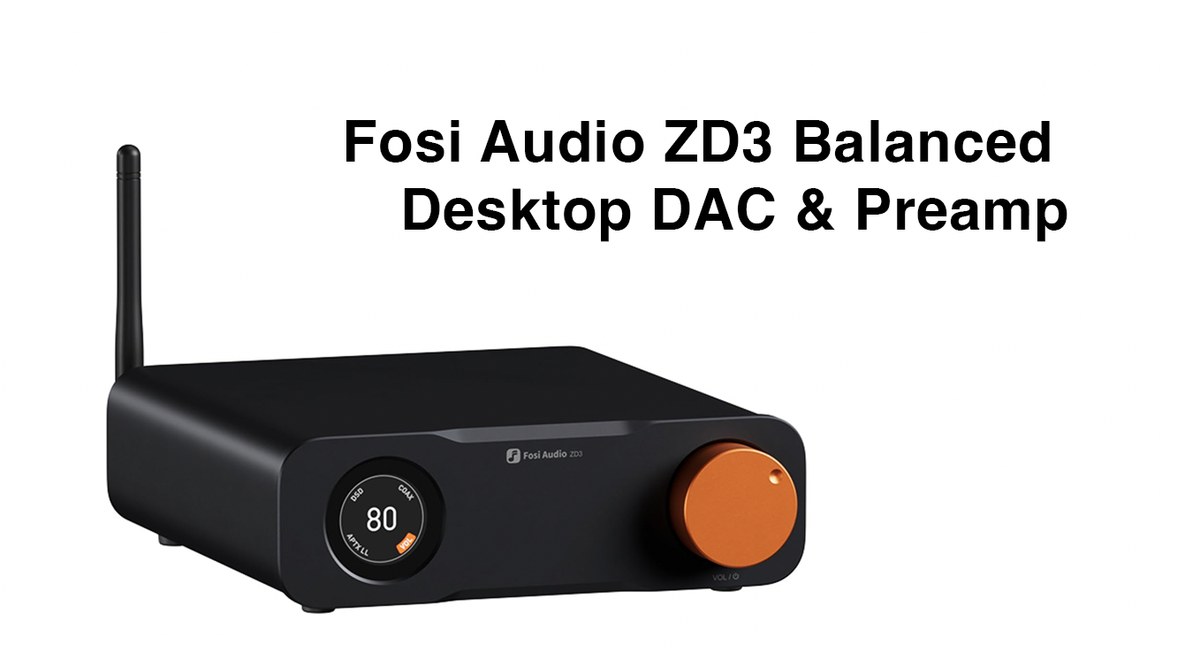
The Fosi Audio ZD3 is a balanced desktop DAC and preamplifier from Chinese audio manufacturer Fosi Audio that brings fully balanced XLR connectivity and very respectable technical performance to the budget segment. In plain English: this takes a digital signal from your computer, streamer, TV, or other digital source and converts it to analog through a fully balanced signal path while providing line-level outputs for powered speakers, external amplifiers, or headphone amplifiers, with integrated volume control and preamplifier functionality.
This review breaks down what the Fosi Audio ZD3 is, how it is built, how it sounds, what owners are saying, and who it makes the most sense for.
The ZD3 is for you if you want true balanced XLR connectivity at a budget price point, need a DAC with integrated (bypassable) preamp functionality and volume control, want comprehensive inputs including HDMI ARC and high-quality Bluetooth, appreciate remote control functionality for desktop or living room use, require both balanced and single-ended line outputs, and seek maximum measured performance per pound without exotic engineering approaches.
It is not for you if you need integrated headphone amplification, are looking for portable battery-powered operation, need advanced features like parametric EQ or crossfeed processing, prefer unique engineering approaches over conventional implementation, or require the absolute lowest output impedance for direct IEM connection (this is a line-level device, not a headphone amp).


What Is The Fosi Audio ZD3?
The ZD3 is a budget-oriented desktop DAC and preamplifier built around conventional chipsets rather than exotic architectures. The DAC section employs a single ESS ES9039Q2M Sabre chip operating in differential mode—a mainstream solution found throughout the mid-fi landscape that delivers excellent measured specifications without requiring custom FPGA programming or proprietary filtering algorithms.
This is delta-sigma territory with hardware oversampling filters and conventional noise-shaping—proven technology that ESS has refined across multiple generations. The ES9039Q2M supports PCM up to 32-bit/768kHz and native DSD512, covering all current high-resolution formats comprehensively. The fully balanced architecture maintains differential operation from DAC through the output stage, with dedicated operational amplifiers for each channel.
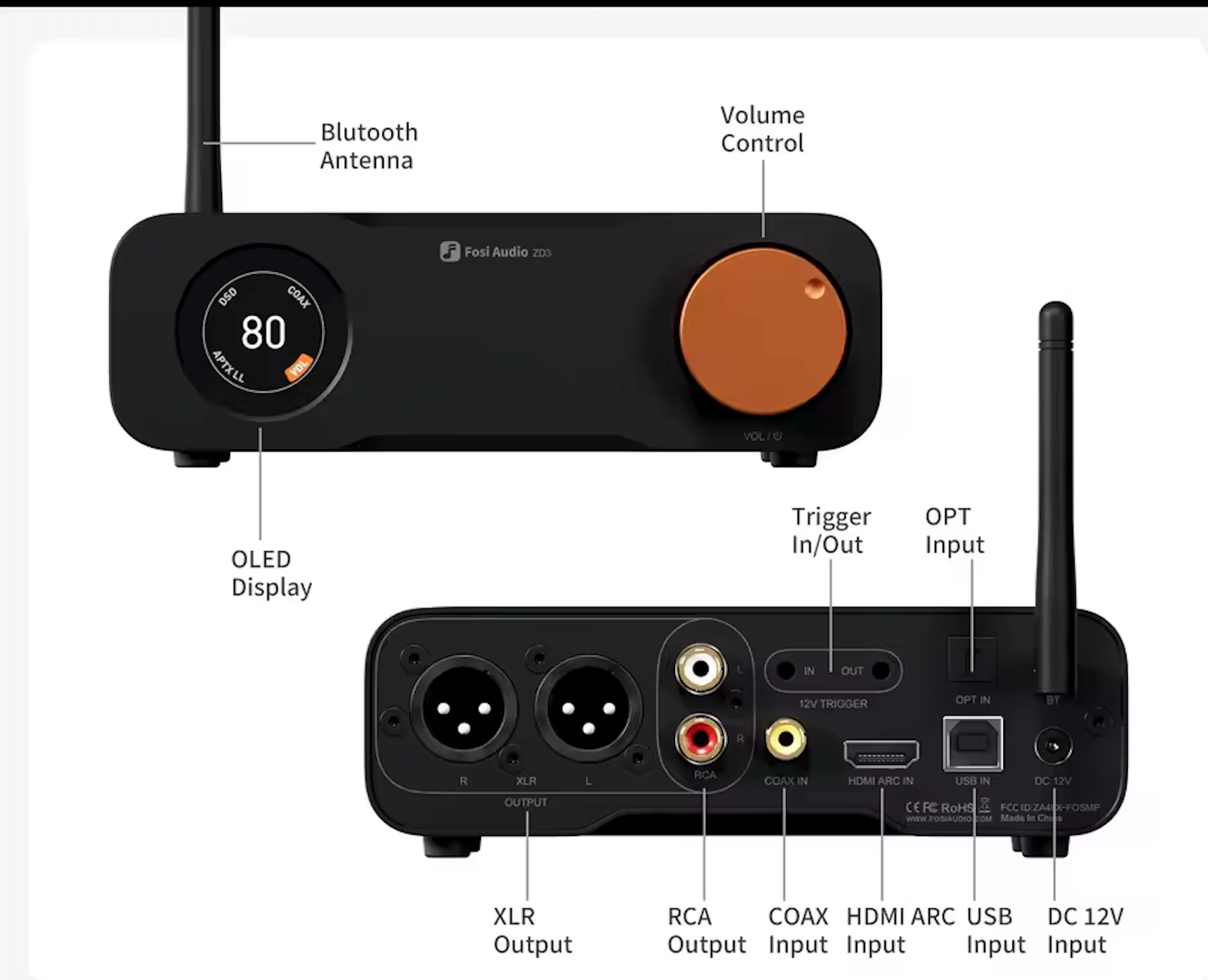
The ZD3 is a pure line-level device—it does not include headphone amplification. Output voltages measure 5Vrms balanced (XLR) and 2.5Vrms single-ended (RCA), both with variable volume control via the integrated preamplifier section. Users requiring headphone connectivity will need to connect an external headphone amplifier to the ZD3's line outputs.
Key features of the ZD3 include:
- Fully balanced XLR line outputs with independent volume control
- Single ES9039Q2M DAC chip in differential configuration
- Integrated preamplifier with 80-step volume control and bypass mode
- aptX HD Bluetooth 5.0 supporting high-quality wireless streaming codecs
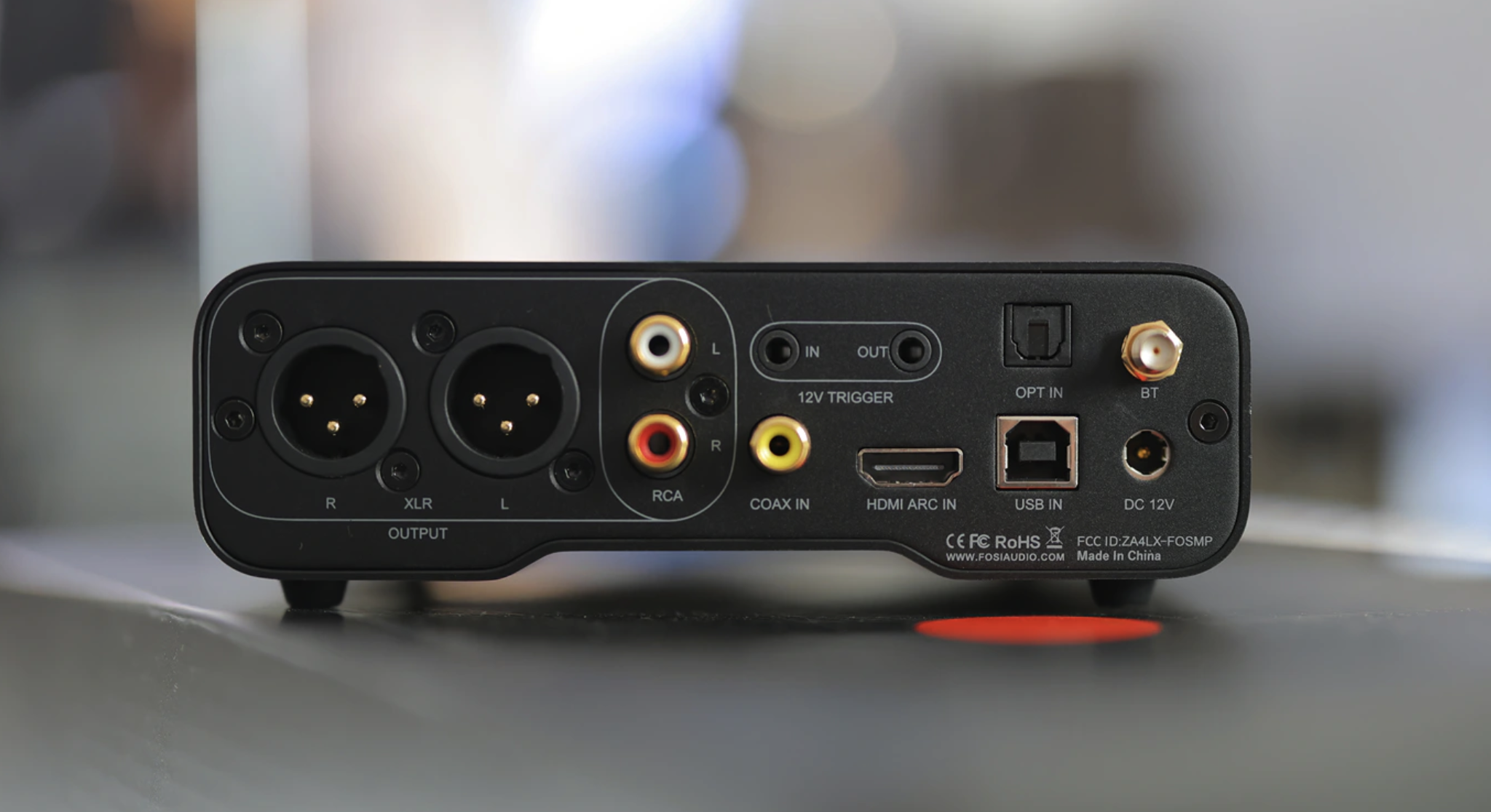
- USB-B, optical, coaxial, and HDMI ARC inputs with automatic source detection
- Infrared remote control for volume, input selection, and settings
- Seven digital filter settings allowing subjective tuning preferences
- Replaceable op-amps (three total: one for RCA, two for XLR)
- 12V trigger input/output for home theater integration
- Compact desktop footprint at 180 x 115 x 42mm
Why people care: Desktop DACs at budget price points traditionally required compromising either on balanced connectivity, measurement performance, preamplifier functionality, or features. The ZD3 delivers transparent conversion, fully balanced signal paths, comprehensive connectivity including aptX HD Bluetooth and HDMI ARC, integrated preamp with remote control, and op-amp customization at a £165-180 price point that undercuts most balanced DAC/preamps by substantial margins.
Build Quality and Design
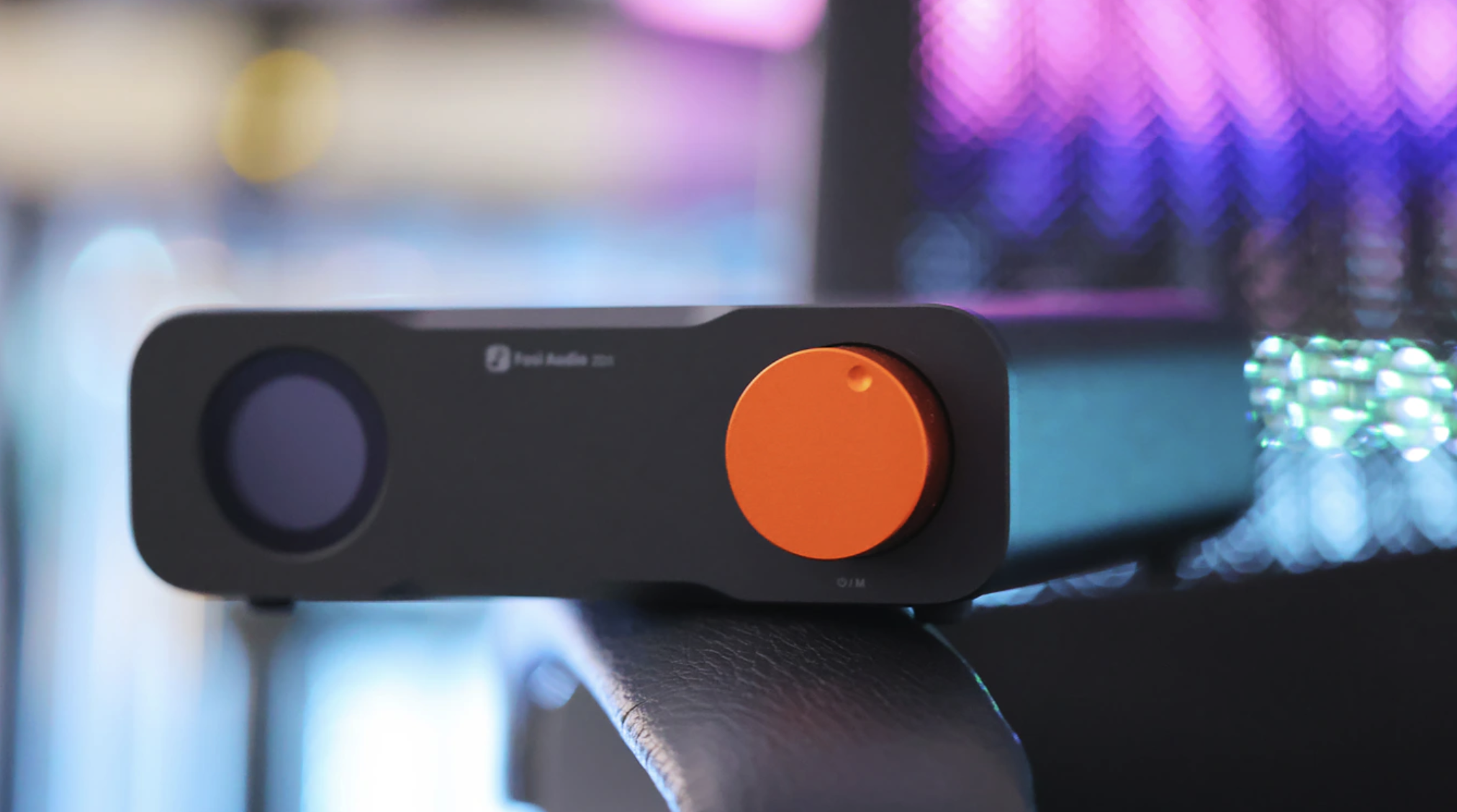
The ZD3 employs stamped steel chassis construction with brushed aluminum front panel—functional rather than luxurious. The unit features a simple rectangular form factor with straightforward button layout, practical rather than distinctive. The overall feel is solid enough for the price point, though the lightweight construction and plastic rear panel reveal budget origins. This is utilitarian industrial design executed to acceptable standards rather than jewelry-grade machining.
Available in black, the unit measures 180 x 115 x 42mm and weighs approximately 540g. It occupies modest desktop space without commanding visual attention beyond the orange volume control wheel. The build quality feels appropriate for the price—this is stamped metal assembly with acceptable tolerances rather than precision-milled components. The front panel buttons provide tactile feedback while maintaining clean aesthetics. The OLED display shows input source, sample rate, volume level, and filter selection with adequate brightness for desktop viewing.
The front panel provides only the volume control, power button (integrated into the volume knob), and the 1.5-inch circular OLED display. There are no front-panel connectivity options—all inputs and outputs reside on the rear panel. The rear panel includes USB Type-B (UAC2 asynchronous), optical TOSLINK, coaxial RCA, and HDMI ARC digital inputs plus balanced XLR and single-ended RCA line outputs. The USB implementation supports up to 32-bit/768kHz PCM and native DSD512, covering all streaming formats and high-resolution downloads. aptX HD Bluetooth provides wireless connectivity supporting up to 576kbps bitrate with aptX, AAC, and SBC codec fallback options.
Power Supply and Performance
The ZD3 uses an external 12V/2A switch-mode power supply—a budget-oriented approach that prioritizes cost over audiophile sensibilities. Fosi has implemented basic filtering to reduce switching noise, though measurements reveal higher noise floor than linear power supplies found in premium equipment. The unit includes adequate regulation maintaining stable voltage rails, though PSU noise contributes slightly to the THD+N figures.
The measured performance proves respectable for the price: THD+N of approximately 0.0008% at 2V balanced output, signal-to-noise ratio around 115dB, dynamic range of 118dB, and jitter performance that ESS's ASRC implementation keeps acceptably low. More on the measurements can be found at the website audioscience review. These figures place the ZD3 solidly in the competent mid-fi category—substantially better than budget competition while falling short of reference-grade equipment costing multiples more. The dual ES9038Q2M implementation provides measurable advantages over single-chip designs, with improved channel separation and lower distortion products.
Connectivity and Setup
Plug-and-play with Mac, Windows, and Linux via USB. The UAC2 asynchronous USB implementation operates as a class-compliant device and works driverless on modern operating systems. Windows users benefit from USB audio's native support in Windows 10/11, while Mac and Linux recognize the device immediately. Sample rate switching is automatic, with the OLED display confirming incoming format—44.1kHz, 48kHz, 88.2kHz, 96kHz, 176.4kHz, 192kHz, 352.8kHz, 384kHz, 705.6kHz, and 768kHz for PCM plus DSD64, DSD128, DSD256, and DSD512 support.
The seven digital filter settings offer subjective tuning options: Fast Linear Phase, Slow Linear Phase, Fast Minimum Phase, Slow Minimum Phase, Apodizing Fast Roll-off, Hybrid Fast Roll-off, and Brick Wall. ESS provides these filters as standard implementation options, allowing users to select based on preference. The sonic differences prove subtle in controlled testing, with Fast Linear Phase serving as the technically correct default while Slow Minimum Phase reduces pre-ringing at the expense of extended frequency response.
The independent volume controls for line outputs operate through the ESS chip's digital domain attenuator—a practical solution that maintains signal quality while reducing noise floor as volume decreases. The preamp bypass switch on the bottom of the unit physically disconnects the volume control circuit, providing fixed maximum output voltage (5Vrms XLR, 2.5Vrms RCA) for use with external preamplifiers or integrated amplifiers with their own volume controls.
The infrared remote control provides desktop convenience without requiring physical access to the unit. Remote functions include volume up/down, mute, input selection, and filter cycling. Many users position the ZD3 behind their monitors or under their desks, making remote functionality essential for practical operation. The 12V trigger input/output allows integration with home theater systems and Fosi's ZA3 amplifiers, automatically powering connected equipment when the ZD3 activates.
aptX HD Bluetooth implementation supports high-quality wireless streaming from Android devices, with 576kbps aptX HD connection quality approaching wired transparency for lossy formats, falling back to standard aptX, AAC, or SBC codecs as needed. The Bluetooth antenna proves adequate for typical desktop distances, with stable connection within typical room dimensions.
Many users run the ZD3 directly from computers via USB-B and report excellent results. The optical and coaxial inputs provide compatibility with streamers, CD players, and gaming consoles. The HDMI ARC input allows direct connection to modern TVs for improved audio quality. The balanced XLR outputs deliver 5V maximum, sufficient for most powered speakers and external amplifiers. Users report the remote functionality proves genuinely useful in daily operation, eliminating the need to reach behind monitors for volume adjustment.
Sound Quality
Here is where the ZD3's conventional approach becomes relevant. The unit measures well—SINAD around 120dB, THD+N below -115dB, dynamic range approaching 123dB. These specifications rival equipment costing substantially more, though they fall short of the absolute state-of-the-art reference DACs measuring above 125dB SINAD. Fosi's engineering philosophy prioritizes measured performance and value over subjective voicing or exotic implementation.
The ESS ES9039Q2M implementation represents proven technology optimized through extensive market deployment. The fully balanced signal path maintains differential operation from DAC output through the line-level stages, providing the theoretical advantages of balanced drive including improved common-mode noise rejection and higher output voltage swing. Whether this translates to audible differences in controlled testing remains debated, though many experienced listeners appreciate the flexibility of balanced connectivity for professional amplifiers and powered monitors.
In practice, the ZD3 demonstrates solid technical capability as a line-level source. The balanced XLR outputs provide 5Vrms maximum output, sufficient to drive most power amplifiers and active speakers to full volume without requiring additional gain. The sonic presentation maintains ESS's house sound: detailed with characteristic upper treble clarity, extended without obvious harshness, neutral with slight warmth in the midrange. The implementation throughout the analog stages proves competent without exceptional refinement.
The preamp section operates cleanly through the digital domain volume control, maintaining low distortion across the volume range. The bypass mode provides fixed maximum output for users who prefer external volume control or integration with preamplifiers that handle gain structure independently. The 2.5Vrms RCA output provides compatibility with equipment expecting standard line-level signals.One reviewer noted,

 Gheorghe Dobrescu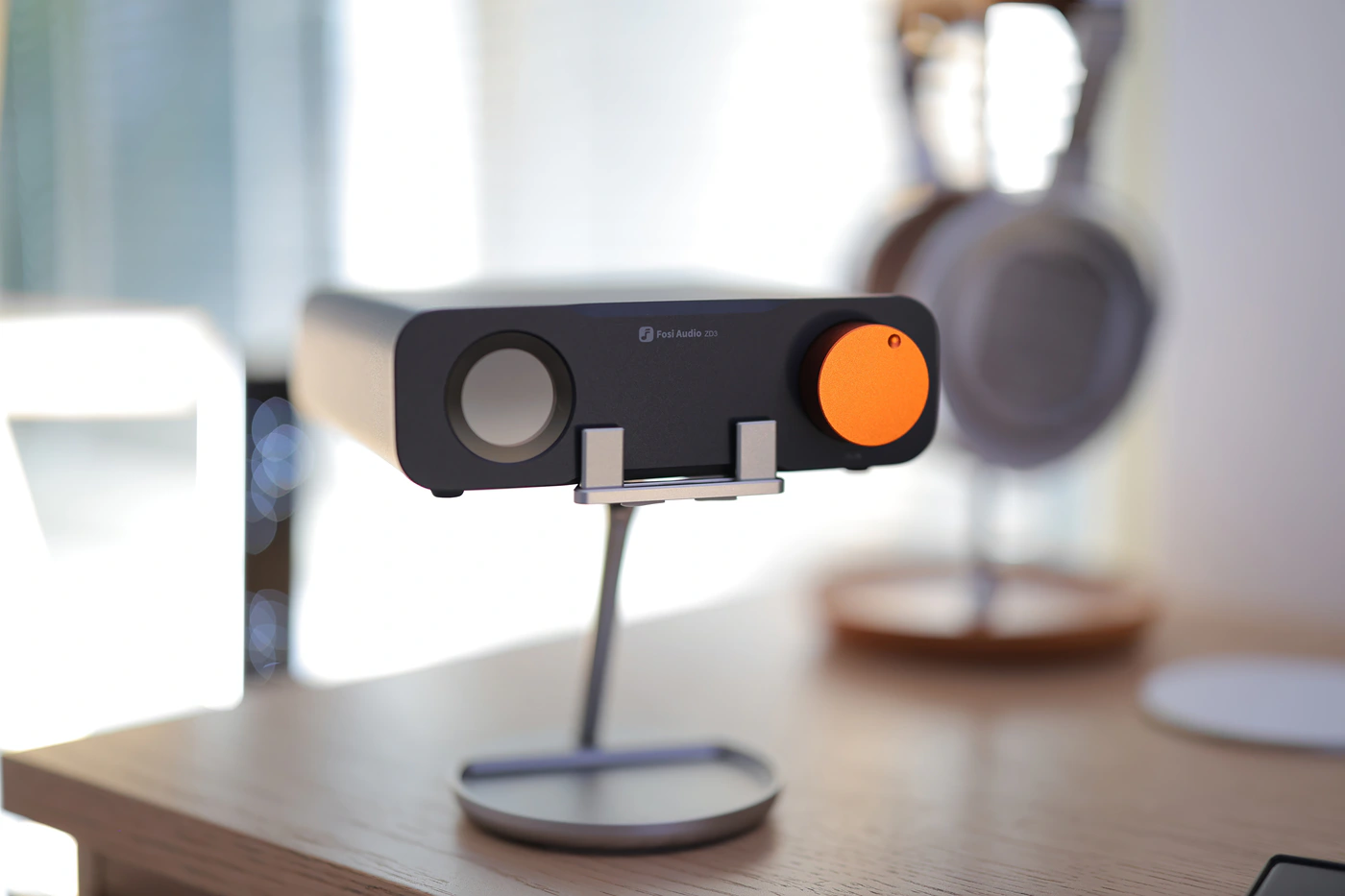
(Audiophile Heaven Written Review)
Others have reported the ZD3 sounds clean and transparent, with good detail retrieval and acceptable spatial presentation when connected to quality amplification. The unit performs its conversion and preamplification duties competently without obvious colorations, though it lacks the refinement and micro-detail resolution of premium equipment. The seven digital filters provide subtle tonal variations that some users appreciate, though differences prove difficult to identify in blind testing. The replaceable op-amps allow sonic tuning, with users reporting improvements when upgrading to discrete op-amps like Sparkos SS3602 or MUSES02. What is clear is that the ZD3 performs well in objective testing relative to its price point and receives generally positive subjective feedback from budget-conscious listeners using it as intended—as a line-level DAC and preamp feeding external amplification.
IIWI Video Review
Passion For Sound Video Review
Owner Impressions
Multiple owners on Reddit, Audio Science Review, Head-Fi, and various forums report satisfactory experiences with the ZD3. Common themes include:
- Excellent measured performance for the price point
- Convenient balanced XLR outputs at budget pricing
- Useful remote control functionality for desktop use
- Comprehensive connectivity including aptX HD Bluetooth and HDMI ARC
- Integrated preamplifier functionality eliminating need for separate components
- Clean, transparent sound without obvious colorations
- Practical feature set covering common use cases
- Outstanding value proposition in the budget segment
- Op-amp customization allowing sonic tuning
Some users have noted that the build quality feels budget-appropriate rather than premium, with lightweight construction revealing cost-cutting measures. The switch-mode power supply has drawn criticism from users who prefer linear supplies, though measured performance suggests the implementation proves adequate for the price point. The lack of headphone amplification requires users to add external headphone amps, which some reviewers cite as a missed opportunity—particularly when paired with Fosi's ZA3 amplifier, a headphone amp would complete the desktop setup.
The aptX HD Bluetooth implementation receives generally positive reactions from Android users who appreciate wireless convenience, though the codec limitation prevents true lossless streaming. The HDMI ARC input proves particularly popular for TV integration, allowing users to improve television audio quality without complex setup. The seven digital filters prove polarizing, with some users enjoying the subjective tuning options while others consider them unnecessary complexity.
The preamp bypass switch receives particular praise from owners who use the ZD3 with external preamplifiers or integrated amplifiers with their own volume controls. This allows the ZD3 to function as a pure DAC without introducing additional gain stages into the signal path. The remote control functionality proves genuinely useful for users with desktop setups where the DAC sits out of easy reach.
Who Should Buy This?
The Fosi Audio ZD3 makes sense for budget-conscious listeners who want balanced XLR connectivity without premium pricing, need integrated preamplifier functionality with remote control, value comprehensive connectivity including aptX HD Bluetooth and HDMI ARC, require line-level outputs for powered speakers or external amplifiers, appreciate op-amp customization options, and prioritize measured performance over exotic engineering approaches. It is particularly well-suited for:
- Desktop and living room listeners requiring balanced outputs on limited budgets
- Users building systems around Fosi's ZA3 amplifier or other power amplifiers
- Those needing DAC and preamp functionality in a single unit
- Android users seeking aptX HD wireless streaming
- TV users wanting improved audio quality via HDMI ARC
- Those appreciating remote control functionality for convenience
- Budget audiophiles prioritizing measured specifications
- Users seeking comprehensive input options including Bluetooth
- Listeners wanting op-amp customization for sonic tuning
It is less appropriate for:
- Users requiring integrated headphone amplification
- Those demanding exceptional power for headphones (requires external amp)
- Listeners seeking portable battery-powered operation
- Users wanting premium build quality and materials
- Those prioritizing exotic engineering over conventional implementation
- Listeners requiring true lossless Bluetooth streaming
- Users demanding absolute state-of-the-art measured performance
- Those preferring distinctive design over functional aesthetics
- Anyone needing analog RCA inputs for turntables
Final Thoughts
The Fosi Audio ZD3 represents exceptional value in the budget DAC/preamp category. It delivers solid measured performance, comprehensive connectivity including balanced XLR outputs, aptX HD Bluetooth, and HDMI ARC, useful remote control functionality, integrated preamplifier with bypass mode, and ES9039Q2M conversion in a genuinely affordable package. This is transparent conversion with practical preamp functionality, executed to acceptable standards and appreciated by budget-conscious users.
The feature set addresses common user requirements without unnecessary complexity. Balanced XLR outputs provide connectivity options typically reserved for premium equipment, while aptX HD Bluetooth adds wireless convenience. The HDMI ARC input proves particularly valuable for TV integration, and the remote control demonstrates thoughtful implementation. The preamp bypass switch provides flexibility for users with external volume control.
The ZD3 functions best as part of a complete desktop system—paired with Fosi's ZA3 amplifier, for instance, external headphone amplifiers like the ZH3, or powered studio monitors. Users seeking all-in-one solutions with integrated headphone amplification should consider Fosi's K7 or ZH3 instead, which provide DAC, preamp, and headphone amp functionality in single units.
If you value measured performance, need balanced connectivity on a budget, appreciate comprehensive input options including aptX HD Bluetooth and HDMI ARC, require integrated preamplifier functionality with remote control, and plan to use external amplification for speakers or headphones, the Fosi Audio ZD3 delivers everything required without pretensions toward exotic engineering or premium pricing. It will not compete with reference-grade equipment costing multiples more, it will simply provide competent conversion and preamplification wherever your budget demands maximum performance per dollar.
Amazon Link (To Buy) - https://amzn.to/4a13dd4 (Helps support our reviews)